Mina Kirkova, LCSW-C
Child, Adolescent, and Family Therapist
in Phoenix/Jacksonville, MD

Art Therapy Sourcebook
by Cathy Malchiodi
Introduction to Art Therapy by Judith A Rubin

Find out more about Art Therapy:
https://www.psychologytoday.com/us/therapy-types/art-therapy
Suggested Readings:
ART IN CHILD AND TEEN THERAPY
Art can give children and teens another way to communicate thoughts and feelings that are difficult to put into words. Painting, drawing, sculpture, and other creative activities provide opportunities to explore experiences and begin conversations about what matters to them. Drawing, play, and conversation can all be part of helping young people express themselves in psychotherapy.
I’m Mina Kirkova, LCSW-C, a child, adolescent, and family therapist in Phoenix, Maryland. I incorporate art into therapy to help children and teens explore emotional and behavioral challenges, strengthen self-expression, and develop practical coping skills. Creative activities are adapted to each young person’s age, interests, comfort level, and treatment goals.
HOW ART IS USED IN THERAPY
Using art in therapy combines the creative process with therapeutic conversation and exploration. A drawing, painting, or sculpture can become a starting point for discussing feelings, relationships, worries, or experiences at home and school.
For example, I might invite a child to draw what a difficult school day feels like. We can then talk about the parts of the picture they want to share, the emotions connected to those experiences, and what might help when a similar situation happens again.
I encourage children and teens to explain their creations in their own words. Their ideas and personal meanings guide our discussion and help connect the activity to the concerns we are addressing in therapy.
EMOTIONS AND CHALLENGES WE CAN EXPLORE
Depending on your child’s needs, I may use creative activities to support work on:
- Emotional awareness and expression: Identifying feelings and finding ways to communicate experiences that are difficult to describe.
- Worries and stress: Exploring situations that feel overwhelming and discussing manageable ways to respond.
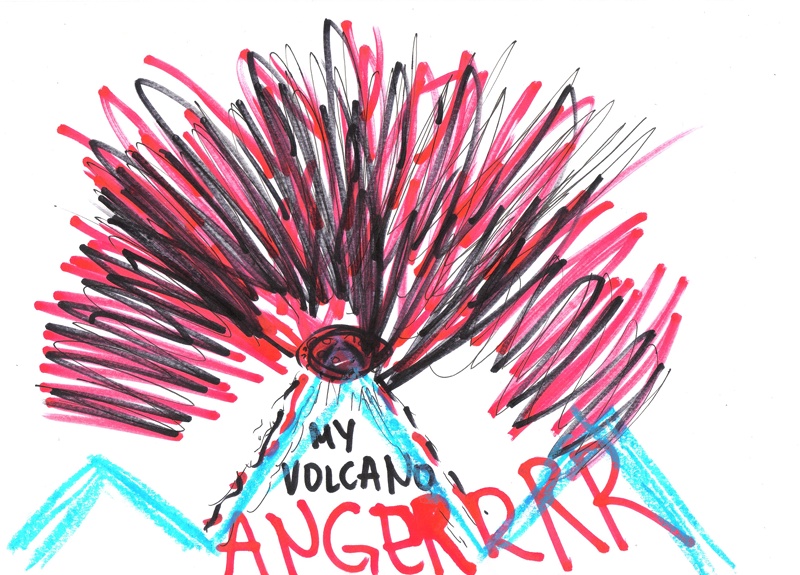
- Anger and frustration: Recognizing triggers, expressing needs, and considering different responses to difficult moments.
- Self-confidence and strengths: Exploring interests, abilities, and qualities your child values about themselves.
- Friendships and family relationships: Discussing misunderstandings, conflicts, connection, and communication.
- Life changes, grief, and loss: Making space to share memories, express mixed emotions, and talk about changes in daily life.
These activities are connected to your child’s individual therapy goals and the practical changes your family hopes to see.
ART IN THERAPY WITH CHILDREN
With younger children, I use simple language and activities that fit their developmental level. A child might choose colors to represent feelings, draw an important experience, or create a character that faces a familiar challenge.
These activities give us something concrete to explore together. We might practice naming emotions, asking for help, expressing a need, or thinking through a different response to frustration. I follow the child’s interests while keeping our work connected to their therapeutic needs.
ART IN THERAPY WITH TEENS
For teens, creative activities can offer space to explore identity, self-image, friendships, academic pressure, and expectations about the future. Some teens may prefer a drawing or visual representation as a starting point for discussing a complicated experience.
I invite teens to participate in choosing activities and deciding what they want to explore. Our conversations may focus on understanding their perspective, recognizing personal strengths, considering different possibilities, or identifying a next step toward a meaningful goal.
AN INDIVIDUALIZED AND SUPPORTIVE APPROACH
Children and teens do not need artistic experience to participate. I encourage curiosity and self-expression, with activities suited to their interests and comfort level.
I may combine creative activities with conversation, cognitive behavioral techniques, play-based approaches, or family work when appropriate. Child psychotherapy can draw on more than one therapeutic approach to address a young person’s needs.
Parent involvement is also tailored to the child’s age and circumstances. Through parent coaching, we can discuss treatment goals and practical ways to support emotional expression, communication, and coping at home.
You can learn more about my approach on the child therapy and adolescent therapy pages.
GETTING STARTED WITH CHILD AND TEEN THERAPY
If your child or teen is struggling to express feelings or manage emotional and behavioral challenges, I welcome the opportunity to discuss how my approach may fit their needs.
Please email me at mina@minacounseling.com to discuss your concerns, determine whether my services are a good fit, and inquire about current availability.
I provide child, adolescent, and family therapy in Phoenix, MD, welcoming families from Phoenix, Jacksonville, and nearby communities. I look forward to learning more about your child and the changes you hope to see.
Mina Kirkova, LCSW-C
Child, Adolescent, and Family Therapist in Hunt Valley, MD