Mina Kirkova, LCSW-C
Child, Adolescent, and Family Therapist
in Phoenix/Jacksonville, MD

MOVEMENT AND BREATHING PRACTICES IN THERAPY
Stress and strong emotions are not experienced only in the mind. Adolescents may also notice muscle tension, restlessness, shallow breathing, a racing heart, or a general sense of being physically overwhelmed.
As a child and adolescent therapist in Phoenix, MD, I may incorporate movement, breathing exercises, and relaxation techniques into therapy when they fit the young person’s needs and treatment goals. These practices can help teens become more aware of how stress affects their bodies and develop practical ways to slow down, release physical tension, and respond more intentionally when emotions become intense.
UNDERSTANDING THE CONNECTION BETWEEN BODY AND EMOTIONS
When adolescents feel anxious, frustrated, angry, or overwhelmed, their bodies often react before they consciously recognize what is happening.
They may notice:
- faster or shallower breathing;
- tight shoulders or jaw;
- restlessness or difficulty sitting still;
- tension in the stomach;
- a racing heartbeat;
- difficulty concentrating;
- feeling physically “on edge.”
Learning to recognize these signals can help teens notice that stress is building before they become completely overwhelmed.
Movement and breathing practices can then become part of a broader strategy for managing those reactions.
BREATHING TECHNIQUES FOR STRESS AND EMOTIONAL REGULATION
Slow, intentional breathing can help adolescents pause and redirect their attention when they are stressed or emotionally activated.
In therapy, we may practice breathing techniques that encourage the teen to notice the rhythm of the breath, slow the pace, and allow the body time to settle.
The goal is not to make every uncomfortable feeling disappear. Instead, breathing can create a brief pause between the emotion and the teen’s response.
That pause can make it easier to think through a situation, use another coping strategy, or decide what to do next.
Deep-breathing and other relaxation exercises are commonly included in stress-management approaches for adolescents.
PROGRESSIVE MUSCLE RELAXATION
Progressive Muscle Relaxation, often called PMR, teaches adolescents to become more aware of the difference between physical tension and relaxation.
The basic process involves intentionally tensing and then relaxing different muscle groups while paying attention to how the sensations change.
Many teens carry tension without realizing it. They may tighten their shoulders while studying, clench their jaw during conflict, or tense their stomach when they are anxious.
By learning to recognize these physical signs earlier, adolescents may become better able to intentionally release unnecessary tension.
APA includes progressive muscle relaxation in its stress-management and resilience resources for young people.
USING MOVEMENT TO RELEASE TENSION
Some adolescents find it difficult to settle themselves by sitting quietly.
Movement can provide another way to work with stress and emotional activation.
Depending on the teen’s needs and comfort level, therapeutic work may include gentle stretching, mindful movement, changing posture, walking, or other simple physical activities that encourage awareness of the body.
Movement may help adolescents notice where they are holding tension and give them an appropriate physical outlet when they feel restless, frustrated, or emotionally overloaded.
Physical activity more broadly is also recognized as a useful stress-management strategy for children and teens.
DEVELOPING BODY AWARENESS
Movement and breathing practices can help teens become more aware of the relationship between their physical sensations, thoughts, and emotions.
For example, a teen may begin to recognize:
“My shoulders tighten when I start worrying about school.”
“I hold my breath when I am angry.”
“I feel restless when I am overwhelmed.”
Recognizing these patterns gives the teen useful information.
Instead of noticing stress only after an argument, shutdown, or emotional outburst, they may begin identifying the earlier physical signals and using a coping strategy before the situation escalates.
USING MOVEMENT AND BREATHING WITH ANXIETY
Anxiety can create both mental and physical reactions.
A teen might experience racing thoughts while also noticing muscle tension, rapid breathing, or physical restlessness.
Breathing and relaxation practices can help address the physical component of anxiety while other therapeutic strategies address the thoughts and situations contributing to it.
For example, breathing may help a teen settle enough to approach a stressful situation, while cognitive behavioral techniques can help them examine the anxious predictions connected to that situation.
These strategies are therefore often most useful as part of a broader individualized treatment plan rather than as a stand-alone treatment.
COPING WITH ANGER AND FRUSTRATION
Strong emotions such as anger and frustration can also produce immediate physical reactions.
A teen may notice their muscles tightening, breathing becoming faster, or an urge to react before considering the consequences.
Learning to recognize these changes can make it easier to pause before speaking or acting.
Depending on the situation, the teen might use breathing, movement, or muscle relaxation to lower physical tension before moving on to problem-solving, communication, or another therapeutic strategy.
The goal is not to eliminate anger. It is to help adolescents recognize it earlier and respond in ways that are more consistent with their goals.
PRACTICING SKILLS OUTSIDE OF THERAPY
Movement and breathing techniques become most useful when adolescents can apply them in everyday situations.
Depending on treatment goals, teens may practice these strategies:
- before a test or presentation;
- during homework or academic stress;
- before a difficult conversation;
- after an argument;
- when feeling physically restless or tense;
- before performances, competitions, or other high-pressure situations;
- during transitions between school, activities, and home;
- as part of a bedtime relaxation routine.
Practicing during relatively calm periods can also make the skills easier to access during stressful moments.
AN INDIVIDUALIZED APPROACH
Not every relaxation strategy works equally well for every adolescent.
Some teens respond well to breathing exercises. Others prefer movement, progressive muscle relaxation, grounding, guided imagery, or another approach.
I work with each young person to identify strategies that feel comfortable, practical, and relevant to their needs.
Depending on the adolescent’s concerns, I may combine movement and breathing practices with cognitive behavioral therapy, mindfulness, solution-focused therapy, narrative approaches, art activities, parent coaching, and family therapy.
GETTING STARTED WITH ADOLESCENT THERAPY IN PHOENIX, MD
If your adolescent is struggling with anxiety, stress, emotional regulation, frustration, or difficulty managing everyday pressures, movement, breathing, and relaxation strategies may be incorporated into an individualized therapy plan when appropriate.
Please email me at mina@minacounseling.com to discuss your concerns, determine whether my services are a good fit, and inquire about my current availability.
I provide adolescent and family therapy in Phoenix, Maryland, for families from Phoenix, Jacksonville, and surrounding communities.
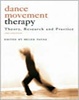
Dance Movement Therapy by Helen Payne
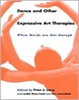
Dance and Other Expressive Therapies: When Words are not Enough
by Fran Levy
Find out more about Dance and Movement Therapy:
https://www.psychologytoday.com/us/therapy-types/dance-therapy
Suggested Readings:

Mina Kirkova, LCSW-C
Child, Adolescent, and Family Therapist in Hunt Valley, MD